

Thermoelectric vs Compressor Wine Fridges: Which Keeps Your Wine at a Steady Temperature?
|
URL (keep existing) |
https://lecavist.com/blogs/news/difference-between-thermoelectric-compressor-fridges |
|
Meta title |
Thermoelectric vs Compressor Wine Fridge | LeCavist |
|
Meta description |
Compare thermoelectric and compressor wine fridges on temperature stability, heat tolerance, energy, noise and capacity, and which suits Australian homes. |
|
Primary keyword |
thermoelectric vs compressor wine fridge |
|
Secondary keywords |
difference between thermoelectric and compressor wine cooler, best wine fridge Australia, compressor wine cabinet, wine fridge climate class |
Choosing a wine fridge comes down to one question more than any other: will it keep my wine at the same temperature, day after day, all year round? Capacity, design and price all matter, but the cooling system decides whether your wine is truly protected.
The short answer: compressor wine fridges hold a constant, accurate temperature regardless of the room, which is what wine needs to age well. Thermoelectric wine fridges are quiet and compact, but they can only cool to a fixed number of degrees below the room, so in a warm Australian home their temperature rises and falls with the weather. That is why LeCavist's full range is compressor-cooled.
Thermoelectric vs Compressor at a Glance
|
Thermoelectric |
Compressor (LeCavist) |
|
|
How it cools |
Peltier module moves heat with an electric current |
Compressor and refrigerant cycle, like a cellar-grade refrigeration system |
|
Temperature stability |
Follows the room, drifts on warm days |
Holds your set temperature |
|
Maximum cooling |
Roughly 10–15°C below room temperature |
Reaches its full range whatever the room, within its rating |
|
Hot rooms (30°C+) |
Cannot keep wine at cellar temperature |
Many models rated for rooms up to 43°C |
|
Energy efficiency |
Lower, and drops as the room heats up |
Higher, especially in summer |
|
Noise |
Very quiet, mostly fan noise |
Quiet, around 38–45 dB on LeCavist cabinets |
|
Vibration |
Minimal |
Minimised with anti-vibration systems and wooden shelving |
|
Capacity |
Mostly small units |
From 17 to 588 bottles at LeCavist |
|
Zones |
Usually single zone |
Single, dual and triple zone |
|
Built-in installation |
Rarely suitable, needs open airflow |
Dedicated front-venting models available, to enable built-in installation to cabinetry and cavities. |
|
Best for |
A few bottles in an air-conditioned room |
Everyday drinking and long-term cellaring in any Australian home |
Temperature Stability: The Difference That Matters Most
A compressor cabinet works like a cellar with a thermostat. You set 13°C, and the compressor switches on and off as needed to keep it at 13°C, whether your kitchen is 18°C in July or 34°C in January.
A thermoelectric cabinet works differently. Its Peltier module can only pull the temperature down by a certain amount, usually around 10–15°C. Once the room passes the mid-20s, it simply runs out of cooling power, and the inside of the cabinet starts climbing with the room.
For wine, that daily rise and fall is the real enemy. Each swing makes the wine expand and contract, pressing on the cork and letting tiny amounts of air in over time. Add long stretches above 24°C and the wine ages too quickly, losing the freshness and aroma that made it special. A constant, accurate temperature is what turns a fridge into a cellar.
Curious about the science behind Peltier cooling? We explain it step by step in How Thermoelectric Wine Cabinets Work.
Built for the Australian Climate
Every refrigerated appliance has a climate class, which tells you the range of room temperatures it is designed to work in. It is one of the most useful and most overlooked specs on a wine fridge.
|
Climate class |
Room temperature range |
Suits |
|
SN (extended temperate) |
10°C to 32°C |
Cool rooms and mild climates |
|
N (temperate) |
16°C to 32°C |
Most indoor rooms in mild weather |
|
ST (subtropical) |
16°C to 38°C |
Warm Australian homes and kitchens |
|
T (tropical) |
16°C to 43°C |
Hot climates, garages, sculleries and Queensland summers |
Our popular 56 and 63 bottle cabinets are rated for rooms up to 38°C, and many of our medium and large models, such as the 105 Bottle Dual Zone and 168 Bottle Single Zone, are rated for rooms up to 43°C. That is the kind of headroom an Australian summer demands.
Energy Use: Clearing Up a Common Myth
Thermoelectric fridges are often described as the energy-efficient option, however that is a common misconception.
Peltier modules move considerably less heat for every watt of electricity than a compressor does, and the gap widens as the room gets hotter. In an Australian summer, a thermoelectric unit can run almost non-stop while still failing to reach its target. A well-insulated compressor cabinet with a double-glazed door cools more efficiently and spends more of its time resting.
Noise and Vibration: Not What It Used to Be
The main argument for thermoelectric has always been silence, and older compressor fridges did hum and shudder. Modern wine cabinets are a different story. LeCavist cabinets run at around 38–45 dB, about the level of a quiet library, and use anti-vibration systems and beech wood shelves so sediment stays settled and wine rests undisturbed. They sit comfortably in kitchens, living rooms and even bedrooms.
Ideal Wine Storage and Serving Temperatures
|
Wine style |
Serving temperature |
Recommended cabinet |
|
Sparkling and Champagne |
6–8°C |
Dual or triple zone (top zone) |
|
Crisp whites and rosé |
8–10°C |
Dual or triple zone |
|
Fuller whites (Chardonnay) |
10–12°C |
Dual or triple zone |
|
Light reds (Pinot Noir) |
12–14°C |
Single or dual zone |
|
Full-bodied reds (Shiraz, Cabernet) |
15–18°C |
Single or dual zone (lower zone) |
|
Long-term ageing, all wines |
A steady 12–14°C |
Single zone at cellar temperature |
Reaching 6–8°C for sparkling in a warm room is well beyond most thermoelectric units. A dual or triple zone compressor cabinet handles it with ease while keeping your reds at their own ideal temperature.
Which Should You Choose?
|
If you… |
Choose |
|
Want to age wine for months or years |
Compressor |
|
Live in Queensland, WA, NSW or anywhere with hot summers |
Compressor |
|
Plan to install it in cabinetry or under a bench |
Compressor, built-in model |
|
Want to store reds, whites and sparkling together |
Compressor, dual or triple zone |
|
Have a growing collection |
Compressor |
|
Only keep a few bottles in a room that is air-conditioned all year |
Either will work, compressor gives you more margin |
Why the LeCavist Range Is Compressor-Only
LeCavist was born from a Frenchman's love of the old underground cellars, where wine rests at a temperature that barely changes from one season to the next. We offered thermoelectric fridges in the past, listened to our customers, and decided that Australian homes deserve better. Every LeCavist cabinet now uses compressor cooling, backed by a 5-year compressor warranty, 24 months parts and labour (both extendable by 12 months when you register your cabinet, free of charge), and free delivery, installation and removal of your old appliance across most of Australia.
|
Collection size |
Explore |
|
14–63 bottles |
56 Bottle Dual Zone (LKS56VN2Z), 63 Bottle Single Zone (LKCV63N) |
|
68–168 bottles |
105 Bottle Dual Zone (LEK1052ZPV), 140 Bottle Triple Zone (LEK1403ZPV) |
|
Built into your kitchen |
|
|
Not sure yet |
Browse the full range or call 02 9398 9933 |
FAQs
What is the difference between a thermoelectric and a compressor wine fridge?
A thermoelectric fridge uses a Peltier module to move heat out of the cabinet, so it can only cool to a fixed number of degrees below the room. A compressor fridge uses a refrigerant cycle controlled by a thermostat, so it holds the temperature you set regardless of the room.
Which is better for wine, thermoelectric or compressor?
For most Australian homes, compressor. It keeps wine at a constant, accurate temperature through hot summers, which is essential for ageing. Thermoelectric only suits a few bottles in a room that stays cool all year.
Do thermoelectric wine fridges work in hot weather?
Not well. Once the room passes the mid-20s, most thermoelectric units cannot keep wine at a safe cellar temperature, and the inside of the cabinet rises with the room.
Which uses less electricity?
In most conditions, a modern compressor wine cabinet. Peltier modules are less efficient at moving heat, and their efficiency drops further in warm rooms.
Are compressor wine fridges loud or prone to vibration?
Modern ones are quiet. LeCavist cabinets run at around 40–45 dB and use anti-vibration systems and wooden shelving to keep bottles still.
What climate class should I look for in Australia?
Look for ST (up to 38°C) at a minimum, or T (up to 43°C) for garages, sculleries and hotter regions. Every LeCavist product page lists its climate rating, and many of our cabinets are rated for rooms up to 43°C.
Can I put a wine fridge in my garage?
Yes, if it is a compressor model rated for high room temperatures. Choose a cabinet rated up to 43°C, keep it out of direct sun and leave room for ventilation.
Cheers to protecting what you love. Explore the LeCavist range, or talk to our wine storage specialists on 02 9398 9933 or at hello@lecavist.com. We will help you find the right cabinet for your collection and your space.
Sources
-
LeCavist – Rules of Cellaring (storage temperature, humidity, light and vibration)
-
LeCavist – Our Story (French cellar heritage, wine storage in the Australian climate)
-
LeCavist – Difference between Thermoelectric & Compressor fridges (original article and reader comment correcting the Peltier efficiency claim)
-
LeCavist – How Thermoelectric Wine Cabinets Work (Peltier cooling explained)
-
LeCavist 56 Bottle Dual Zone (LKS56VN2Z) and 63 Bottle Single Zone (LKCV63N) (compressor cooling, rated for 16–38°C rooms, 43–45 dB, anti-vibration system, double-glazed glass door)
-
LeCavist 105 Bottle Dual Zone (LEK1052ZPV) and 168 Bottle Single Zone (LEK168PV) (rated for rooms up to 43°C, 43 dB)
-
LeCavist 140 Bottle Triple Zone (LEK1403ZPV) (triple zone cabinet)
-
LeCavist – Built-in Wine Cabinets and All Wine Cabinets (the current compressor-cooled range)
-
LeCavist homepage (14–588 bottle range, 24-month warranty, 12-month extension on registration, 5-year compressor warranty, free delivery, installation and removal)
How to choose the best wine fridge for your wines?
What is the best temperature to keep my wine safe?
Related Posts

The Ancient Art of Preserving Wine and What It Still Teaches Us Today
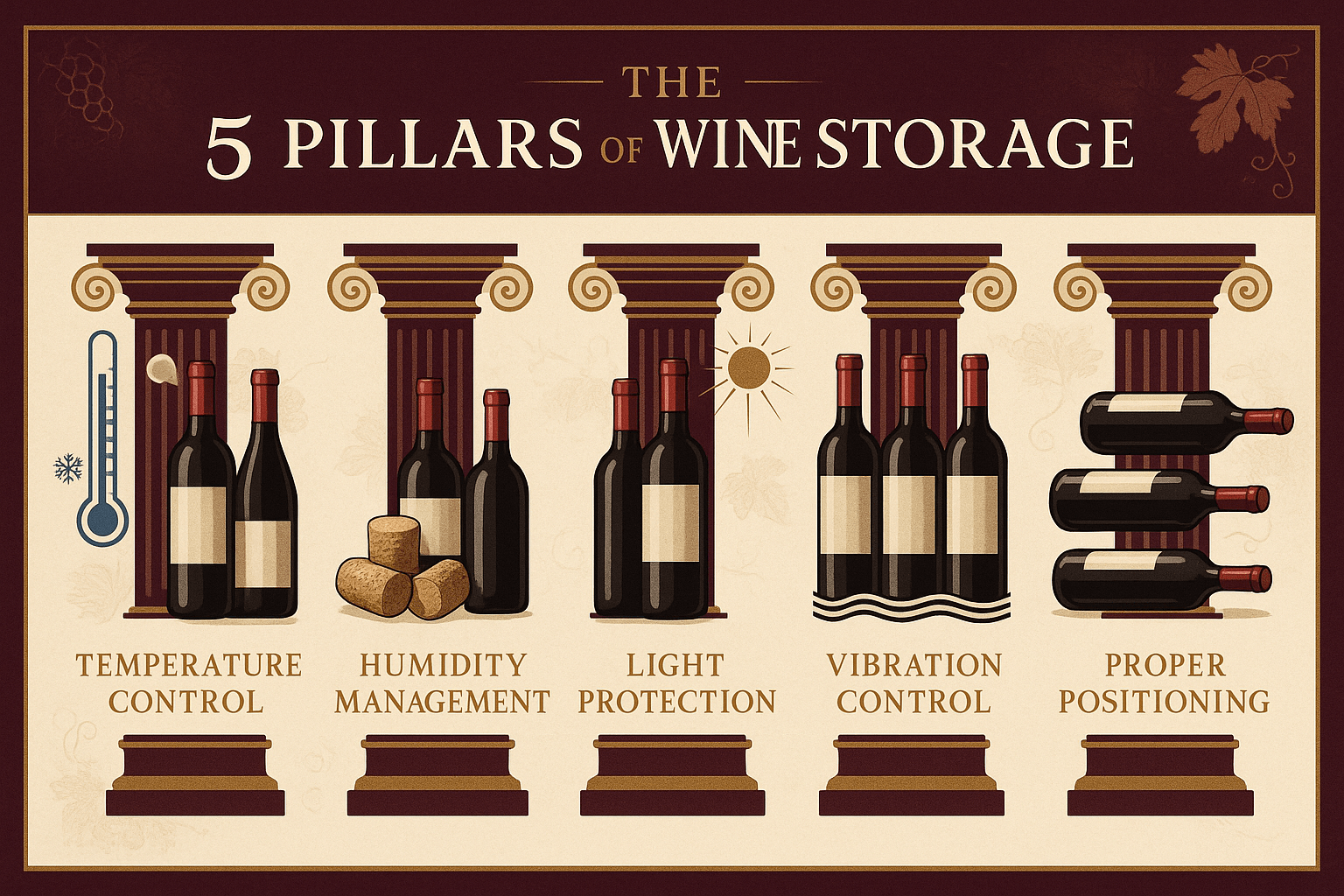
How the 5 Pillars of Wine Storage Protect Your Drinks
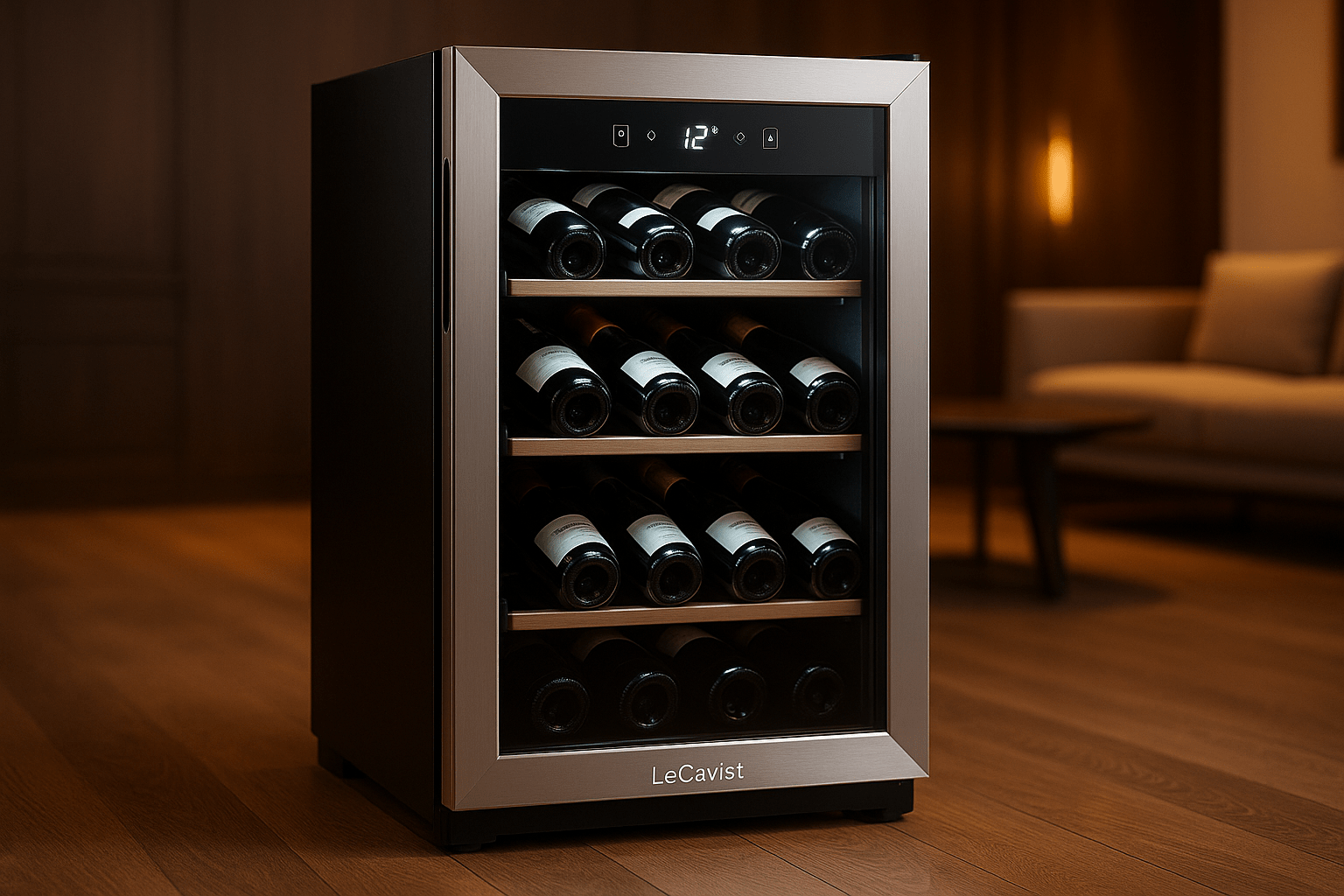
How Thermoelectric Wine Cabinets Work – and Why LeCavist Chose Compressor Cooling
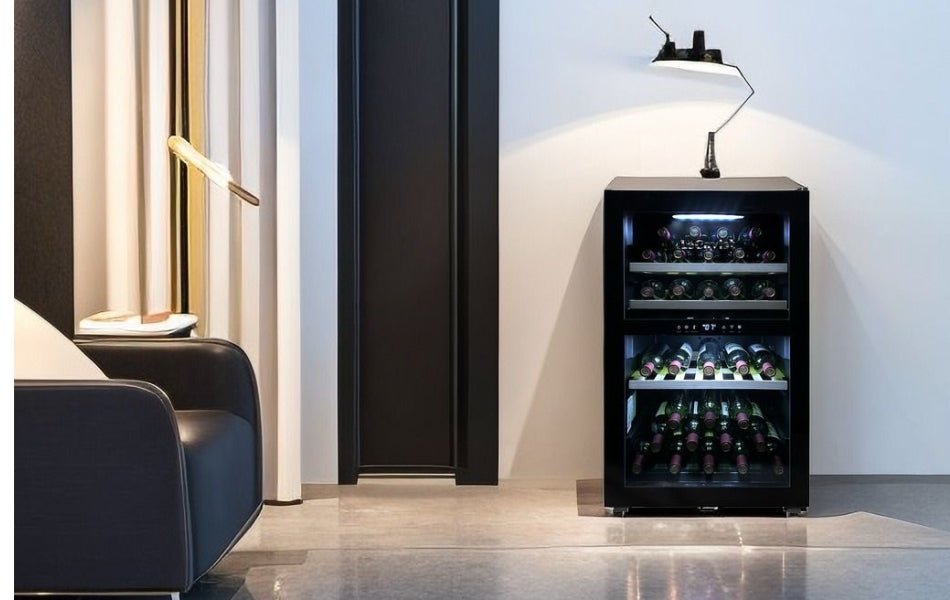
Stylish Wine Cabinet Ideas to Upgrade Unused Spaces at Home
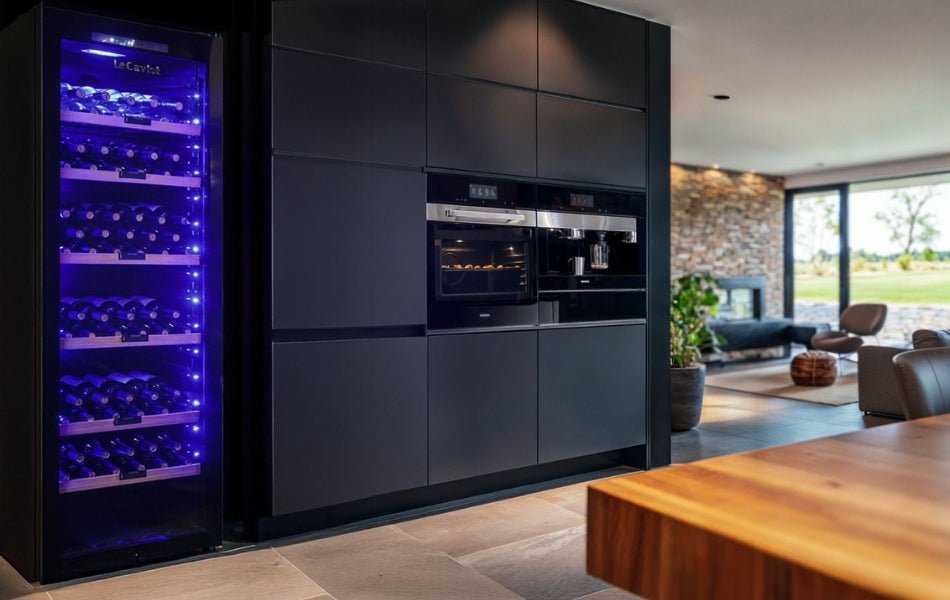
Where Should I Place My Wine Cabinet? 5 Smart Storage Tips You Might Not Know

When Wine Storage Becomes Interior Design: The Rise of Stylish Wine Cabinets

Must Have Wines to Add to Your Collection in 2025
2 Comments
Guten Tag,
aus ihrer Webseite: […“Der Hauptunterschied zwischen beiden besteht darin, dass thermoelektrische Kühlschränke normalerweise leiser und energieeffizienter sind und eine”…]
Das ist leider falsch! Peltier hat nur rund 10% Carnot-Wirkungsgrad und ist somit deutlich schlechter als Kompressor. Zudem steigt der Energiebedarf mit steigendeer Temperaturdifferenz.
Cheers
Christian Fischer