
The Ancient Art of Preserving Wine and What It Still Teaches Us Today
Wine has been part of human civilization for millennia. Long before temperature sensors and humidity controls, the ancients had already cracked something fundamental: that wine is alive, and protecting it requires discipline, intuition, and the right environment.
During Antiquity - across Egypt, Greece, and Rome - wine was far more than a drink. It was currency, ritual, and status, all poured into a single vessel. Naturally, how you preserved it mattered enormously.
The amphora: wine's first home
The Greeks and Romans stored and transported wine in amphorae, tall clay vessels with two handles and a narrow neck, sealed with wax, resin, or pitch. Their tapered shape was no accident: it made them stackable in the hulls of ships crossing the Mediterranean, turning wine into one of the ancient world's great traded commodities.
Amphorae were also an early form of traceability. Many were stamped with the producer's name, region, or vintage: a detail that feels surprisingly modern.
But clay is porous. Oxygen crept in, wine evolved, and producers improvised: adding pine resin, herbs, and spices to stabilise and mask the effects of oxidation. One of those traditions lives on today in Greek retsina, a wine still made with pine resin after more than two thousand years.
Underground: the original wine cellar
Without refrigeration, the ancients relied on the earth itself.
Wine was stored in carved rock cellars, natural caves, partially buried jars, and thick-walled stone rooms, all chosen for the same reason: stable, cool temperatures year-round. In the heat of the Mediterranean, these environments were the difference between wine and vinegar.
Humidity underground also kept seals from drying out and cracking which is a challenge producers faced then as now.
They didn't understand microbiology. But they understood the principle. And that principle has never changed.
Rome and the science of ageing
The Romans took preservation furthest. Their cella vinaria - dedicated wine storage facilities - featured multiple rooms for controlled airflow, underground sections for long-term ageing, and organised systems for categorising and distributing stock.
They were also the first to adopt wooden barrels at scale. More durable than amphorae and easier to move, barrels also interacted with wine in ways the Romans began to notice and value certain wines improved with time, in the right conditions. The concept of intentional ageing, of choosing to wait, was born.
What changed. What didn't.
Technology has transformed the tools. The principles have not.
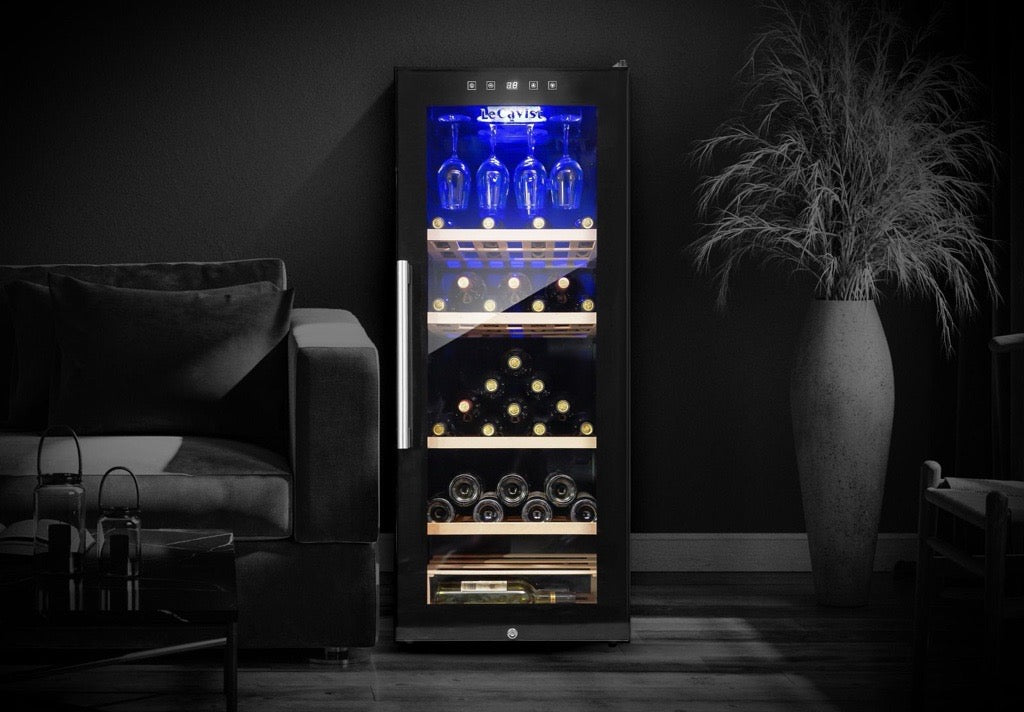
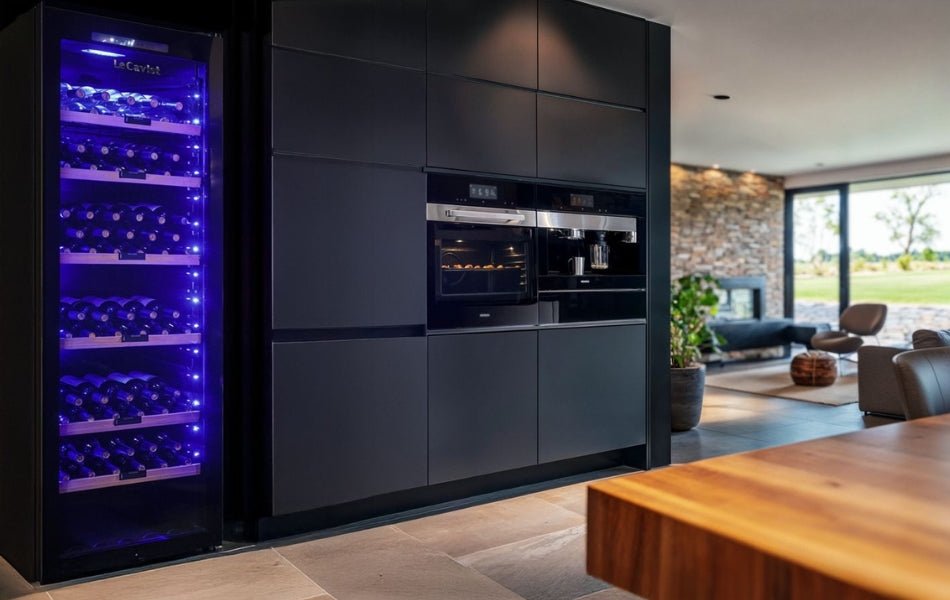
What ancient winemakers sought through caves and clay, a well-designed wine cabinet delivers through precision engineering: constant temperature, controlled humidity, protection from light and vibration, and the stability that allows wine to age exactly as its maker intended.
At LeCavist, these principles guide everything we build. Not because it's tradition, but because it works. It worked for the Romans. It works today.
Every bottle stored with care carries a legacy that began thousands of years ago. The vessel has changed. The intention hasn't.
Related Posts
How the 5 Pillars of Wine Storage Protect Your Drinks
How Thermoelectric Wine Cabinet Works: A Smart Choice for Wine Enthusiasts
Stylish Wine Cabinet Ideas to Upgrade Unused Spaces at Home
Where Should I Place My Wine Cabinet? 5 Smart Storage Tips You Might Not Know

When Wine Storage Becomes Interior Design: The Rise of Stylish Wine Cabinets

Must Have Wines to Add to Your Collection in 2025